
September 23, 2026
Low Altitude Surveillance Radar: Features, Parameters and Practical Applications
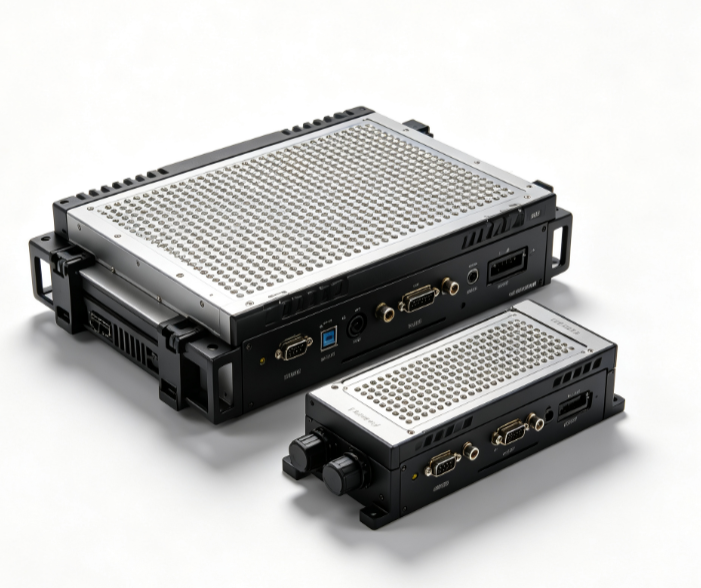
Table of Contents
1. Overview of Low Altitude Surveillance Radar
2. Core Technical Parameters & Performance Comparison
3. Key Functional Features
4. Main Application Scenarios
5. Common Radar Working Bands
6. Industry FAQs
Overview of Low Altitude Surveillance Radar
Low Altitude Surveillance Radar is a specialized detection device for low-altitude airspace monitoring. It focus on low-flying, small, and slow aerial targets that traditional air defense radar cannot capture well.
Common monitored targets include low-altitude drones, small helicopters, unmanned aerial vehicles, and low-speed flying objects. It fills the monitoring blind zone of conventional high-altitude radar systems.
Most low altitude surveillance radar adopt FMCW frequency modulation technology. The design reduce power consumption and improve detection stability in complex ground clutter environments.
Core Technical Parameters & Performance Comparison
Different types of low altitude surveillance radar have obvious differences in detection range and accuracy. The below table lists mainstream industry standard parameters for reference.
All data come from official industrial radar product test reports and public defense technical documents.
Technical Parameter | X-band Low Altitude Radar | Ku-band Low Altitude Radar |
Operating Frequency | 9.8-10 GHz | 14-15 GHz |
Max Detection Range | 15 km | 3.5 km |
Minimum Detection Height | 50 m | 30 m |
Angle Measurement Accuracy | ≤0.4° (RMS) | ≤0.4° (RMS) |
Max Tracking Targets | 200+ targets | 100+ targets |
Power Consumption | ≈500 W | ≤120 W |
Operating Temperature | -30°C to +55°C | -25°C to +50°C |
X-band radar suit large-area outdoor low-altitude monitoring. Ku-band radar is better for short-range, high-precision small target detection.
The system can track targets with RCS as low as 0.01㎡. It effectively capture tiny low-altitude flying targets that easy to evade ordinary monitoring equipment.
Key Functional Features
Strong Anti-Clutter Interference Ability
Low altitude airspace has many ground reflections and building clutter. This radar system filter invalid interference signals in real time.
It keep stable detection effect in urban, suburban and mountain low-altitude environments.
Multi-Target Real-Time Tracking
The device support simultaneous tracking of dozens to hundreds of moving targets.
It output target distance, speed, azimuth and flight height data continuously. No data delay in conventional monitoring scenarios.
Flexible Regional Alarm Setting
Users can set custom low-altitude alert zones in any shape.
The system trigger automatic alarm once unauthorized flying objects enter the restricted airspace. It improves active defense capability.
Main Application Scenarios
Civil Airspace Security Monitoring
Low Altitude Surveillance Radar monitor urban low-altitude airspace. It prevent illegal drone flights near airports and urban core areas.
It maintain the safety of public airspace and avoid flight interference accidents.
Border and Perimeter Defense
The radar deploy at border lines and key military perimeters. It detect low-altitude intrusion of small aircraft and unmanned devices.
It make up the defense loopholes of traditional long-distance air defense systems.
Critical Infrastructure Protection
Power stations, oil depots and industrial parks use this radar for low-altitude security protection.
It respond to sudden low-altitude security threats and support 24-hour all-weather monitoring.
Common Radar Working Bands
Most commercial and industrial low altitude surveillance radar use X band and Ku band.
X band have longer detection distance and stable signal penetration. It fit wide-range outdoor deployment.
Ku band have higher detection accuracy for tiny targets. It usually used for short-range precision anti-drone monitoring.
Industry FAQs
Q1: What targets can low altitude surveillance radar detect?
It mainly detect low-altitude small drones, low-speed helicopters, miniature unmanned aerial vehicles and other low-flying targets. It can identify tiny targets with RCS 0.01㎡ and above.
Q2: What is the biggest advantage of FMCW low altitude radar?
FMCW radar have low power consumption, low radiation and strong anti-clutter ability. It work stably in complex urban ground environments, which pulse radar cannot achieve well.
Q3: Can this radar work all day and all weather?
Yes. The device adapt to temperature range from -30°C to +55°C. It works normally in fog, light rain and cloudy weather, no obvious performance attenuation.
Q4: What is the difference between X-band and Ku-band low altitude radar?
X-band support longer detection distance and wider monitoring area. Ku-band provide higher precision for short-range small target detection, with lower overall power consumption.